Growing up in South Lake Tahoe in the 1960s meant living between two worlds. Outside was the Sierra Nevada—endless forests, deep snow, crystal lakes, and a freedom that every kid thought would last forever. Inside, entertainment was a little more limited. We had rabbit ears perched on top of the television, and if the wind wasn’t blowing too hard, we’d pull in a handful of stations. Every Sunday night, the Ponderosa came into our living room. Bonanza wasn’t just another television show; it felt familiar. The Cartwrights lived by the same unwritten code that many of the families around Tahoe did: work hard, keep your word, and respect what belonged to another man.
My father was a chef at the Top of the Wheel. Tourists came to Tahoe looking for easy living, fine meals, and a little luck at the casinos. But easy living was something reserved for visitors. The people who called Tahoe home earned every day they spent there.
One summer, my father decided it was time I learned how to stack wood.
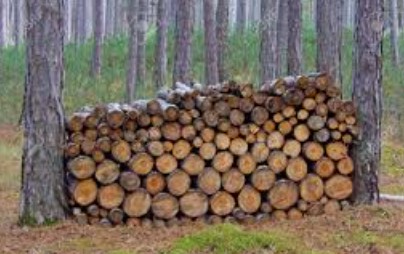
Not firewood already cut and split behind the house. Real wood. Fresh-cut pine lying where it fell in the forest.
I wasn’t much help. I was too small to lift anything but the shortest rounds and the skinny limbs that broke free when he swung his axe. He’d laugh as I struggled with pieces that probably weighed more than I did. While he handled the heavy logs, I carefully carried my little pieces over to the growing stack, doing my best to make them fit where he pointed.
To me, it felt like I was working alongside him. Looking back, I suppose I was mostly slowing him down. But he never let on.
As we worked, he stopped and looked across the forest.
Scattered among the pines were other stacks of neatly piled wood. Some were fresh and bright where the saw had exposed clean timber. Others had weathered to a soft gray, waiting for winter.
He rested his gloved hand on my shoulder.
“Never touch another man’s woodpile.”
His voice wasn’t angry. It was absolute.
He pointed toward one of the distant stacks.
“That belongs to somebody.”
Then he pointed back to ours.
“This belongs to us.”
The lesson had nothing to do with ownership papers or property lines. Out there in the woods, a woodpile represented weeks of sweat and aching muscles. Every tree had been felled by hand, bucked into lengths, hauled, split, stacked, and left to season for the winter ahead.
He looked me square in the eye.
“If someone takes your wood, they might be stealing your heat.”
Then he paused.
“They might be stealing your life.”
That seemed impossible to a little boy standing in warm summer sunshine.
But my father knew Tahoe winters.
Back then, many families heated their homes almost entirely with the wood they cut the year before. A full cord wasn’t simply firewood. It was survival. Without it, a family could spend months in a house so cold that pipes froze, water stopped flowing, and every breath hung in the air. If the snowstorms came hard—and in Tahoe they often did—you couldn’t just drive to the store for more. Roads closed. Mountains isolated neighborhoods. Sometimes all you had was what you’d prepared.
Taking another man’s wood wasn’t just theft.
It could mean his children shivered through the night.
It could mean an elderly neighbor never got warm again.
It could mean someone didn’t survive until spring.
Those weren’t empty words meant to scare a child.
That was mountain law.
Standing there among the towering pines, I learned that honor wasn’t something you talked about. It was something you practiced when nobody was watching. You respected another man’s work because someday your own family might depend on the respect shown to yours.
It’s funny how some lessons stay with you.
I don’t remember how many cords we stacked that summer.
I don’t remember how tired I was.
But more than half a century later, I can still hear my father’s voice echoing through those Tahoe pines.
“Never touch another man’s woodpile.”
In the mountains, that wasn’t just good manners.
It was a promise that neighbors would help each other make it through another winter.
About Post Author




1 thought on “Part One: The Woodpile”