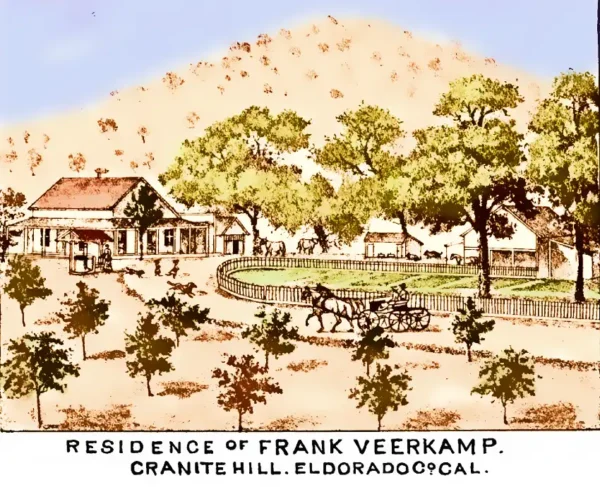
The local food ordinance movement that began in a handful of small towns in Maine has found its way to California. On Jan. 24, 2012, farmer Pattie Chelseth introduced a “Local Food and Community Self-Governance” ordinance to the Board of Supervisors in El Dorado County in the historic Gold Country of the Sierra Nevada Mountains.
The ordinance, referred to as a “food sovereignty proposal,” was met with support from the five-member Board and those in attendance.
Raw Milk and Cow Shares
Chelseth’s interest in a local food ordinance began last year after she was issued a cease and desist order from the California Department of Food and Agriculture for operating a cow-share that consisted of two cows and 15 owners. Under a cow share arrangement, people pay to become part owners (the purchase of “shares”) of a cow. The shareholders pay the farmer to board and care for the cow, and as part of their ownership, they’re entitled to a share of the raw milk.
California law permits sales of unpasteurized milk from farms and in retail stores, provided that the dairy is licensed and inspected. Some, including Chelseth, argue that cow shares fall outside of such regulation because the milk isn’t being sold — the shareholders already own the cow.
The California Department of Food and Agriculture disagrees. The agency considers cow shares to be commercial transactions, and subject to the public health regulations that govern dairy production in California.
Introducing the Local Food Ordinance
Like the Local Food and Community Self-Governance ordinances passed in Maine, the El Dorado County ordinance would exempt from state or federal licensure and safety inspection transactions that occur in the Placerville area directly between a producer and a consumer, when the food is for home consumption.
Unlike the ordinances passed in Maine, the El Dorado County version includes five subsections that address the right to own livestock, the right to contract for care and production of such livestock, the right to the products of that livestock, the right to contract for specialty food items (such as baked goods and jams), and the right to participate in private food clubs.
Nearly six months after Chelseth held a meeting on her farm to discuss the creation of a local food ordinance, the El Dorado County Board of Supervisors took up the issue.
In Chelseth’s remarks to the board, she quickly reviewed recent court holdings and documents that assert consumers do not have a fundamental right to produce and consume the foods of their choice or a fundamental right to own and use a dairy cow or dairy herd, and that a cow-share contract does not fall outside the scope of state regulation (see the Wisconsin decision for the most recent example).
She then cited the county’s history of “noble pioneers and hearty farmers” and asked the board to be a pioneer and beacon for what she called citizens’ “right to choose.” …
Read More: http://www.foodsafetynews.com/2012/02/local-food-ordinance-takes-hold-on
About Post Author